

EMS for Body Composition: Stronger Muscles, Smarter Weight Loss Support
-
EMS is best viewed as a body-composition tool rather than a weight-loss treatment.
-
Research shows the strongest benefits are improved muscle activation, strength and lean-mass preservation, particularly when EMS is combined with active movement.
-
EMS should not be marketed as "fat melting" or a replacement for exercise.
-
Protecting muscle during weight loss is important because muscle supports movement, strength and long-term metabolic health.
-
A progressive programme with appropriate recovery is safer and better supported by research than frequent high-intensity sessions.
-
At Kahe Hands, EMS is integrated with movement, nutrition and massage rather than offered as a standalone solution.
-
Success is measured by improved function, strength, waist measurements and consistency—not simply by the number on the scale.
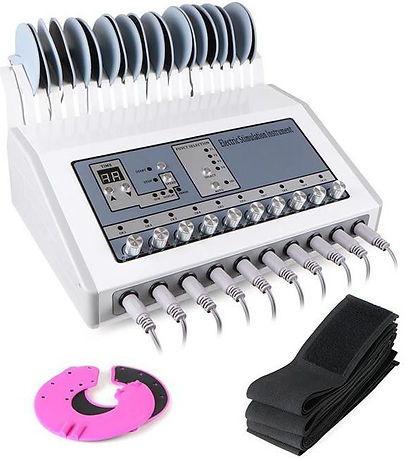
EMS The Body Composition Tool
Weight loss is often marketed as if there is one shortcut that changes everything. The reality is more encouraging and more sustainable. Lasting results usually come from improving the way your body moves, preserving muscle while reducing body fat, and building habits that you can maintain over time.
Electrical Muscle Stimulation (EMS) has become increasingly popular, but there is also a great deal of confusion surrounding what it can and cannot do. The current research paints a much clearer picture. EMS is most effective when it supports active movement and forms part of a broader health programme—not when it is promoted as passive fat loss.
Build and Protect the Muscle That Supports Weight Loss
One of the biggest challenges during weight loss is that the body often loses muscle as well as fat. Losing muscle can reduce strength, make everyday movement harder and lower the body's overall functional capacity.
Research suggests that EMS provides a resistance stimulus that may help preserve or increase lean muscle while improving muscle strength. Rather than focusing only on the number on the scale, this supports healthier body composition and better physical function.
Potential benefits include:
-
Improved muscle activation.
-
Increased strength.
-
Better lean-mass preservation.
-
Greater confidence with movement.
-
Improved support for long-term weight management.
-
Make Exercise Feel More Achievable
Many people know they should exercise but struggle because of low fitness, excess body weight, lack of confidence or busy schedules.
EMS is not designed to replace movement. Instead, it can make movement more productive by increasing muscle recruitment while you perform controlled exercises. This may help some people develop strength that makes walking, climbing stairs and resistance exercise feel easier over time.
The goal is always quality of movement. EMS should enhance good movement patterns, not compensate for poor technique.
Improve Body Composition Rather Than Chase the Scale
Many people become discouraged when body weight changes slowly. Weight alone rarely tells the whole story.
Research suggests EMS may contribute to improvements in muscle mass, strength and, in some groups, waist circumference. However, studies have not consistently shown that EMS alone produces meaningful reductions in total body weight or body fat.
For this reason, progress should be viewed more broadly.
Useful measures include:
-
Waist circumference.
-
Clothing fit.
-
Strength improvements.
-
Walking tolerance.
-
Lean-mass estimates.
-
Consistency with healthy habits.
Save Time Without Cutting Corners
One reason EMS appeals to busy professionals is its efficiency.
Research-supported whole-body EMS sessions are typically around 20 minutes and are combined with slow, controlled resistance-style movements. The emphasis is not on completing an exhausting workout but on providing an effective muscular training stimulus in a shorter period.
That makes EMS particularly attractive for people who struggle to find time for longer gym sessions while still wanting to invest in their health.
A Progressive Programme Produces Better Results
More intensity is not always better.
Current international guidance recommends beginning conservatively, allowing the body to adapt before gradually increasing intensity. This approach helps reduce unnecessary fatigue while supporting safe improvements in strength and movement quality.
Progressive training is one of the reasons EMS should always be supervised by someone who understands how to match the programme to your current ability.
The Kahe Hands Approach
At Kahe Hands, EMS is not offered as a shortcut or a passive weight-loss treatment. We use it as one component of a structured body-composition programme designed to help you move better, become stronger and support healthier long-term habits.
Our approach combines four complementary elements.
Progressive EMS Training
Sessions begin conservatively and progress gradually as your body adapts. We focus on controlled movement patterns that improve strength, coordination and confidence rather than chasing maximum intensity. This reflects the approach most consistently supported by current research.
Personalised Movement
Each EMS session is combined with simple, functional movements such as squats, hip hinges, stepping and stability exercises. The objective is to build movement quality that transfers into everyday life.
Nutrition Guidance
Healthy body composition depends on more than exercise. Sustainable calorie control and adequate protein intake provide the nutritional foundation that allows EMS to work more effectively as part of a wider programme.
Recovery Through Massage
Recovery is often overlooked during weight-loss programmes. Massage can help reduce muscular tension, improve comfort and support continued movement between training sessions. When clients move more comfortably, they are more likely to remain consistent with their programme.
Who May Benefit?
EMS may be appropriate for people who:
-
Want to improve body composition.
-
Have limited time for conventional resistance training.
-
Are returning to exercise after inactivity.
-
Want to support muscle preservation during weight loss.
-
Would benefit from a structured, supervised programme.
EMS is not suitable for everyone. A health screening is completed before treatment, and some medical conditions may require medical clearance or make EMS inappropriate.
Frequently Asked Questions
Does EMS melt fat while I lie still?
Current evidence does not support marketing EMS as passive fat melting. Its strongest role is supporting muscle activation, strength and body composition when combined with movement and appropriate nutrition.
Can EMS replace the gym?
No. EMS complements exercise but is not a replacement for maintaining an active lifestyle.
How often should I have EMS?
Most new clients begin with one supervised session each week before progressing gradually as appropriate.
Is higher intensity always better?
No. The goal is the highest intensity that still allows smooth movement, normal breathing and good technique—not maximum discomfort.
How do you measure success?
We look beyond body weight alone and consider strength, waist circumference, movement, clothing fit and consistency over time.